
Construction projects often face budget overruns and unexpected delays—not because of bad luck, but due to avoidable mistakes. Whether it’s a residential home or a commercial building, small errors during planning or execution can lead to major financial losses and extended timelines.
In this blog, we’ll explore the most common construction mistakes that increase project costs and delay completion—and how to avoid them.
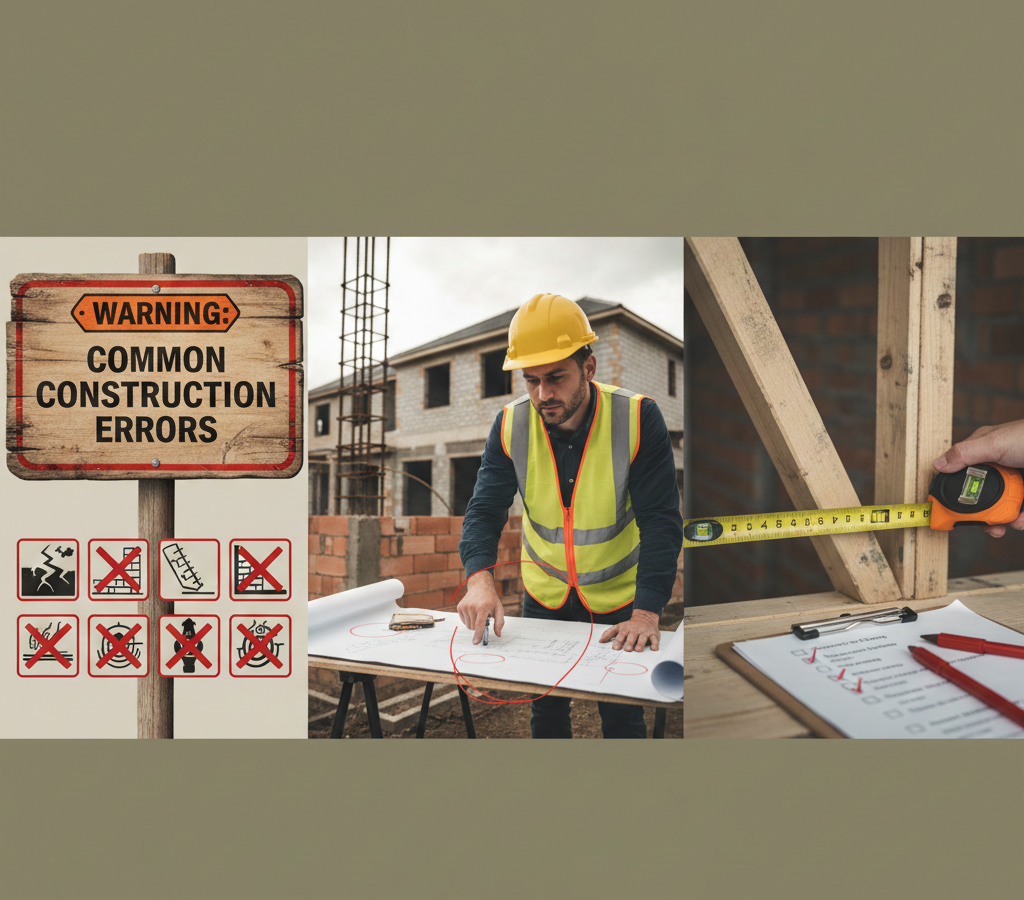
1. Poor Planning & Incomplete Design
Starting construction without finalized drawings, structural details, and material specifications is one of the biggest mistakes.
Impact:
-
Frequent design changes during construction
-
Rework and wastage of materials
-
Confusion among contractors and workers
Solution:
Always complete architectural, structural, electrical, and plumbing designs before breaking ground.
2. Underestimating the Budget
Many projects fail due to unrealistic cost estimation. Ignoring hidden expenses like labor fluctuations, material price hikes, and contingency costs leads to financial stress midway.
Impact:
-
Work stoppage due to lack of funds
-
Compromised material quality
-
Extended project timelines
Solution:
Prepare a detailed budget with a 10–15% contingency buffer.
3. Hiring Unskilled or Cheap Labor
Choosing the lowest bidder without checking experience often results in poor workmanship.
Impact:
-
Structural and finishing defects
-
Frequent repairs and rework
-
Safety risks on-site
Solution:
Hire skilled contractors with proven experience and proper site supervision.
4. Poor Site Management & Supervision
Lack of daily supervision can lead to miscommunication, incorrect execution, and low productivity.
Impact:
-
Delayed decision-making
-
Material misuse and theft
-
Quality issues
Solution:
Ensure regular site inspections and clear communication between all stakeholders.
5. Frequent Design Changes During Construction
Changing layouts, materials, or finishes once construction has started increases both cost and time.
Impact:
-
Demolition and reconstruction
-
Wastage of purchased materials
-
Delay in project milestones
Solution:
Finalize all design decisions before construction begins.
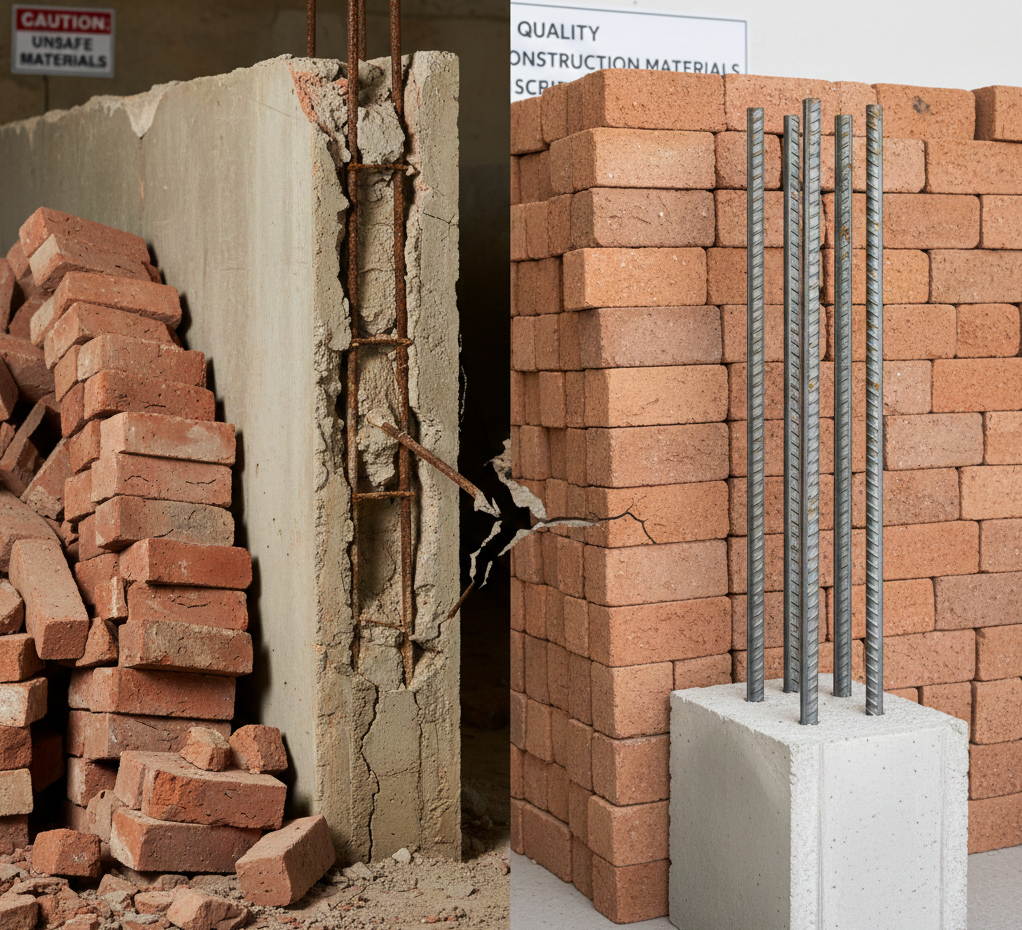
6. Poor Quality Materials
Using substandard materials to save money initially often results in higher long-term costs.
Impact:
-
Reduced building lifespan
-
Maintenance and repair expenses
-
Structural and safety concerns
Solution:
Use certified, high-quality materials that meet industry standards.
7. Ignoring Legal Approvals & Permissions
Skipping permits and regulatory approvals can stop work unexpectedly.
Impact:
-
Legal penalties and fines
-
Project shutdowns
-
Delays in possession
Solution:
Ensure all local authority approvals are secured before construction starts.
8. Inefficient Scheduling & Time Management
Improper sequencing of work activities leads to idle labor and material wastage.
Impact:
-
Extended project duration
-
Increased labor costs
-
Missed deadlines
Solution:
Create a realistic construction schedule and track progress regularly.
9. Poor Coordination Between Contractors
Lack of coordination between civil, electrical, plumbing, and interior teams can cause clashes.
Impact:
-
Breaking finished work for corrections
-
Rework and delays
-
Increased labor costs
Solution:
Use integrated planning and regular coordination meetings.
10. Ignoring Future Maintenance & Usage
Focusing only on construction without planning for long-term use increases future expenses.
Impact:
-
High maintenance costs
-
Functional issues in daily use
-
Reduced property value
Solution:
Plan smart layouts, durable materials, and easy maintenance solutions.
Final Thoughts
Most construction delays and cost overruns are 100% preventable with proper planning, skilled execution, and professional supervision. Avoiding these common mistakes can save you money, time, and unnecessary stress.
At Naxora, we believe in smart construction—where quality, planning, and execution work together to deliver projects on time and within budget.