
Minimalist Interior Design for Modern Homes
Minimalist interior design is more than a trend—it’s a lifestyle choice for modern homeowners who value clarity, functionality, and timeless elegance. In today’s fast-paced world, minimalist homes offer a sense of calm by removing excess and focusing on what truly matters. The result is a space that feels open, balanced, and effortlessly stylish.
1. The Philosophy of “Less but Better”
Minimalism doesn’t mean empty spaces—it means intentional design. Every element in a minimalist home serves a purpose, whether it’s functional, aesthetic, or emotional.
Instead of filling rooms with décor, minimalist interiors focus on quality over quantity, creating a refined and thoughtful environment.
2. Neutral Color Schemes That Breathe
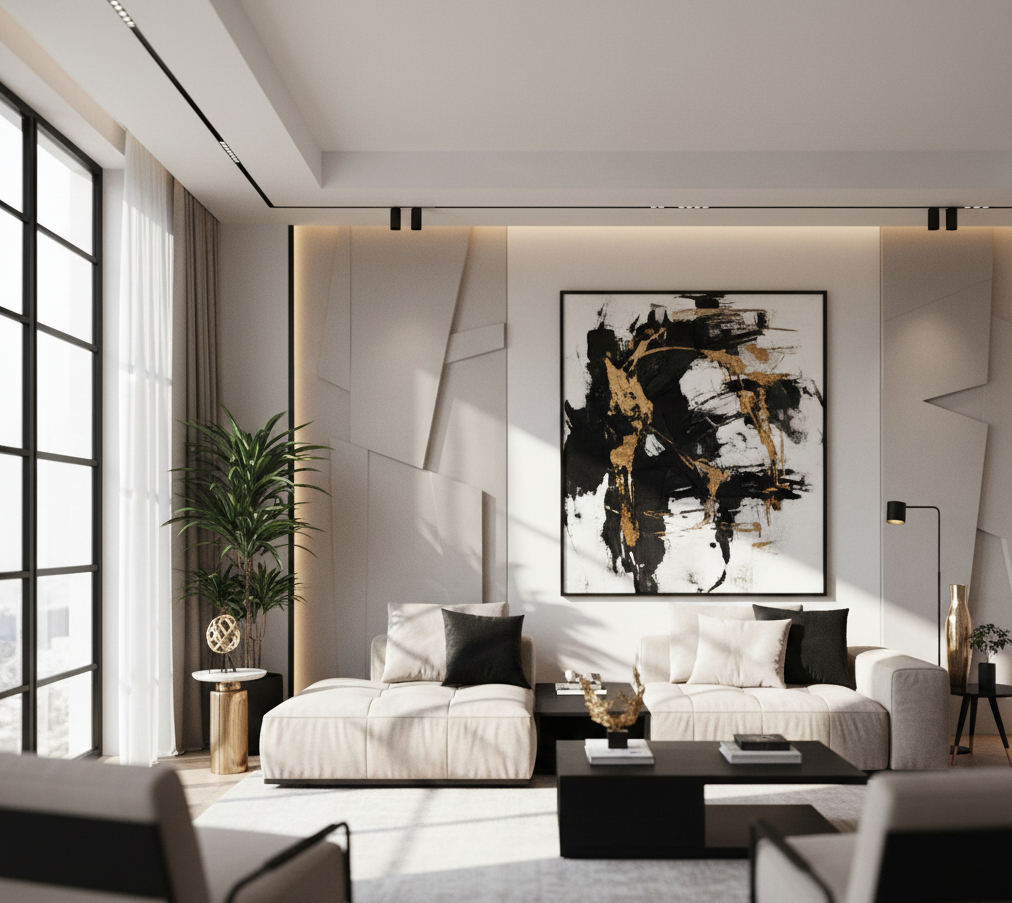
Modern minimalist homes rely on soft, neutral palettes such as white, ivory, beige, light grey, and warm taupe. These shades reflect light and make spaces feel larger and calmer.
To avoid monotony, subtle contrasts are added through textures rather than bold colors.
3. Clean Lines & Simple Forms
Furniture and architectural elements in minimalist interiors feature straight lines, smooth surfaces, and uncluttered silhouettes. Curves are used sparingly to soften the look without overpowering the simplicity.
This clean design language creates visual harmony throughout the home.
4. Functional Furniture with Smart Design
Minimalist furniture is designed to be both beautiful and practical. Modular sofas, built-in wardrobes, floating cabinets, and hidden storage solutions help maintain a clutter-free environment.
The goal is to keep essentials accessible while keeping visual noise to a minimum.
5. Open Layouts & Free Flowing Spaces
Modern minimalist homes often feature open floor plans that connect living, dining, and kitchen areas seamlessly. This openness enhances natural light and improves movement within the space.
Instead of walls, zoning is achieved using lighting, rugs, or subtle changes in materials.
6. Texture Over Decoration
In minimalist interiors, texture plays a key role. Materials like natural wood, stone, linen fabrics, matte finishes, and concrete accents add depth without disrupting simplicity.
These textures bring warmth and prevent minimalist spaces from feeling cold or sterile.
7. Natural Light as a Design Element
Large windows, glass doors, and sheer curtains allow sunlight to become part of the design. Natural light enhances neutral tones and highlights clean architectural lines.
Artificial lighting is kept soft and layered for a calm ambiance during evenings.
8. Purposeful Décor & Statement Pieces
Instead of multiple decorative items, minimalist homes feature a few carefully chosen statement pieces—a large artwork, a sculptural light fixture, or a single indoor plant.
Each piece stands out because it has space to breathe.
9. Hidden Storage for Visual Clarity
Clutter is the enemy of minimalism. Built-in storage, concealed shelves, and handle-less cabinets help maintain a smooth and uninterrupted visual flow.
When everything has its place, the home feels peaceful and organized.
10. Timeless, Not Trend-Driven
Minimalist interior design avoids short-lived trends. By focusing on neutral colors, quality materials, and functional layouts, minimalist homes remain stylish for years.
This makes minimalism a smart investment for modern homeowners.
Final Thoughts
Minimalist interior design for modern homes is about creating spaces that feel calm, purposeful, and effortlessly elegant. By eliminating excess and embracing thoughtful design, minimalist interiors offer a perfect balance of comfort and sophistication.
At Naxora, we design minimalist interiors that reflect modern lifestyles—spaces that look beautiful, feel functional, and stand the test of time.