
Living in a small home doesn’t mean you have to compromise on style or comfort. With the right interior design strategies, even compact spaces can feel open, airy, and visually larger. Smart planning, thoughtful color choices, and functional furniture can completely transform how a space looks and feels.
Here are some expert-approved small space interior design ideas that help make your home look bigger without major structural changes.
1. Use Light and Neutral Colors
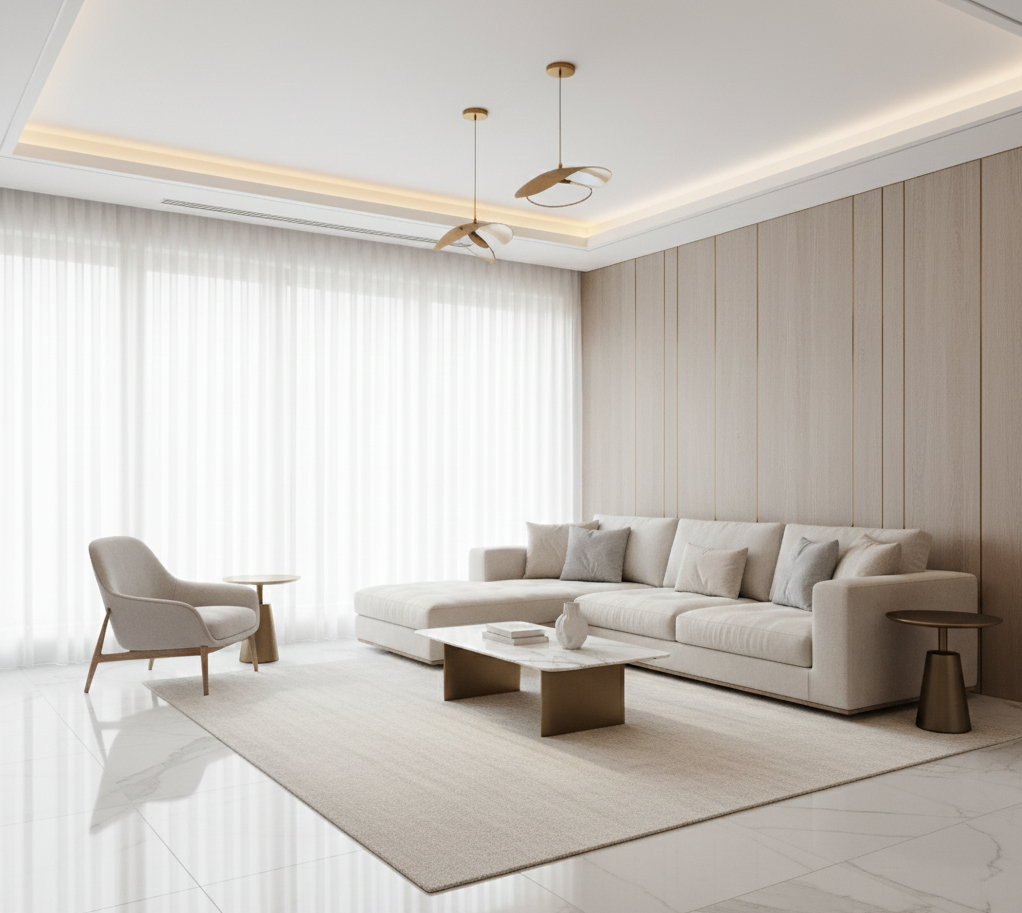
Light colors reflect more natural light, making rooms feel brighter and more spacious. Shades like white, beige, soft grey, and pastel tones create an open and calming effect. For walls, ceilings, and even furniture, sticking to a consistent light palette helps eliminate visual clutter and makes the space appear larger.
Pro Tip: Paint the ceiling a slightly lighter shade than the walls to add height to the room.
2. Maximize Natural Light
Natural light instantly enhances the sense of space. Avoid heavy curtains and opt for sheer fabrics or blinds that allow light to flow freely. Keep windows unobstructed and use glass partitions instead of solid walls wherever possible.
Mirrors placed opposite windows can reflect light and double the visual depth of the room.
3. Choose Multi-Functional Furniture
In small homes, every piece of furniture should serve more than one purpose. Opt for beds with storage drawers, foldable dining tables, sofa-cum-beds, and wall-mounted desks. This reduces clutter while maintaining functionality.
Custom-built furniture designed according to your space can significantly improve usability and aesthetics.
4. Keep Furniture Proportional
Oversized furniture can overwhelm a small space. Choose sleek, compact designs with clean lines and exposed legs. Furniture raised slightly off the floor creates a sense of openness by allowing light to pass underneath.
Avoid bulky armrests and heavy textures that visually shrink the room.
5. Use Vertical Space Smartly
When floor space is limited, go vertical. Tall cabinets, wall-mounted shelves, and vertical storage units help keep the floor clear while maximizing storage. Vertical design elements also draw the eye upward, making ceilings appear higher.
Floating shelves and wall-hung units are excellent choices for small interiors.
6. Create Visual Continuity
Using the same flooring material throughout the home creates a seamless look, making spaces feel more connected and larger. Avoid too many patterns or abrupt design changes between rooms.
Glass doors, sliding partitions, and open layouts help maintain visual flow without sacrificing privacy.
7. Declutter and Keep It Minimal
Minimalism is key in small space interior design. Too many accessories, colors, or textures can make a room feel cramped. Choose a few statement pieces and keep décor intentional.
Hidden storage solutions help keep everyday items out of sight, maintaining a clean and organized appearance.
8. Use Mirrors Strategically
Mirrors are one of the most effective tools for making small spaces look bigger. Large mirrors or mirrored panels reflect light and create the illusion of depth. They work especially well in living rooms, bedrooms, and narrow corridors.
9. Opt for Smart Lighting
Layered lighting enhances depth and dimension. Combine ambient lighting with task and accent lights. Wall sconces, recessed lighting, and under-cabinet lights free up floor space while improving brightness.
Warm white lighting creates a cozy yet spacious feel.
Conclusion
Small spaces can be stylish, functional, and visually expansive when designed thoughtfully. With smart color choices, multi-functional furniture, minimal décor, and efficient storage, your compact home can feel much bigger and more comfortable.
At Naxora, we specialize in creating intelligent interior solutions that transform small spaces into beautifully designed homes. Whether it’s a compact apartment or a modern studio, the right design can make all the difference.